What seating is most comfortable for reading outdoors?
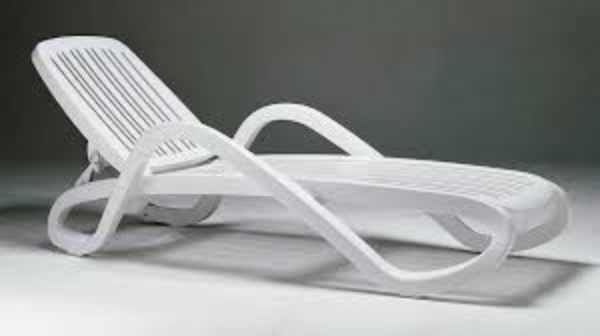
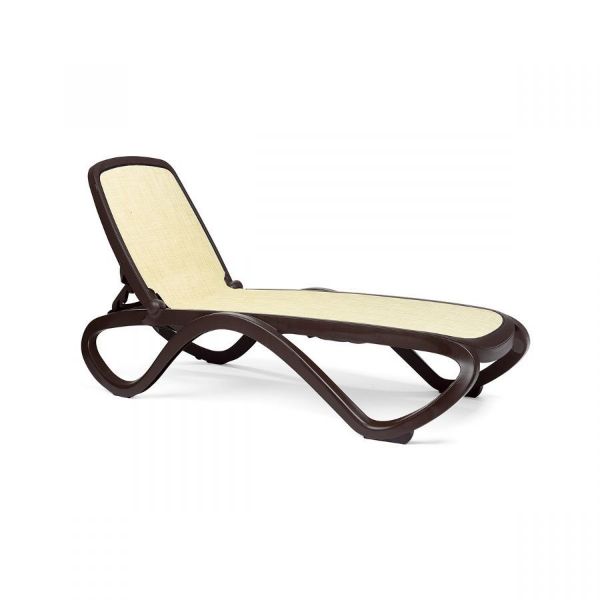
The best seating for reading outdoors is a chair that holds the body in a relaxed, stable position, puts a book or tablet at a comfortable viewing angle, and stays comfortable after long stretches of time. For many patios, decks and gardens, an Adirondack chair is a strong choice because its sloped back and wide armrests suit slow, settled reading. A chaise lounge works better for people who like to recline, while a rocking chair or porch swing can be calming if movement helps concentration.
Outdoor reading is different from sitting indoors. Light changes, warmth shifts, wind can disturb pages, and the ground or deck may not be perfectly level. Seating that looks fine for a short conversation may feel awkward once a reader has been in it for an hour. The right choice depends on posture, shade, the surface beneath the chair, and how much support is needed for the back, arms and legs.
Comfort starts with posture
A good reading chair should let the head rest easily over the body rather than pushing the reader forward. If the back angle is too upright, the neck and shoulders can tighten. If it is too flat, the reader may slide down and strain to hold the page at the right distance. A moderate recline is usually easiest for outdoor reading, especially when the seat has enough depth to support the thighs without pressing into the back of the knees.
Seat depth matters more than many people expect. A seat that is too deep leaves the lower back unsupported, which can encourage slouching. A seat that is too short can make the legs feel cramped and restless. The ideal seat lets the back touch the support while leaving a small gap behind the knees. That allows the body to settle without feeling trapped.
Arm support also changes the reading experience. Wide arms give the hands somewhere to rest, which can reduce shoulder fatigue when holding a book or tablet. They also make it easier to place a drink or reading glasses within reach. For anyone who shifts position often, arms that are too high or too narrow can feel restrictive, so the shape of the chair should match the way the reader naturally sits.

Why Adirondack style suits long reading sessions
The familiar Adirondack chair has a broad frame, a fan shaped back, wide arms and a seat that sits low to the ground. Those features create a laid back position that suits gardens, porches and open patios. The arms are especially useful for reading because they can hold a book steady between pages or support a tablet at a relaxed angle. The lower seat also helps the feet rest naturally, which can make the whole body feel more grounded.
Resin versions are practical in outdoor settings because the material is commonly chosen for weather exposed furniture. It can be wiped clean, does not need the same routine care as many natural materials, and works well in spaces where furniture is left outside for much of the season. For readers choosing between many styles, outdoor Adirondack chairs offer a balance of support, openness and relaxed posture without turning the seating area into a formal lounge.
That said, this style is not ideal for everyone. Some people find the fixed recline too low for reading indoors or for getting in and out easily. A cushion can improve comfort, though it may need to be removed after use or stored when it rains. The seat angle can also feel firm at first, so it helps to think about the length of a typical reading session rather than judging a chair by a quick sit.
Matching the chair to the reader
Different reading habits call for different shapes. Someone who reads with a cup of tea nearby may prefer broad arms and a side table. Someone who likes to stretch out in the sun may prefer a chaise lounge. A reader who enjoys gentle motion may settle into a rocking chair, though motion can make some people feel less steady with a page in hand.
A garden bench can work well in a shaded corner, particularly where two people may share the space. It offers less individual back support than a purpose built chair, so cushions may be useful. A porch swing can feel comfortable for casual reading, but the moving base and narrower seating area may not suit someone who wants firm support. Ottoman use can improve leg comfort with a reclining chair, yet it takes extra space and may not be practical on a crowded deck.
Body size is part of the decision too. Taller readers often need a deeper seat and a higher back. Shorter readers may feel more secure with a chair that lets the feet rest flat and the back touch the support without stretching. The aim is not to find the most padded option, but the one that lets the body stay at ease while the eyes and hands stay comfortable.
Place the seat around light and shade
Even the best chair becomes awkward in harsh sunlight. Reading facing direct glare can cause squinting, and pages can throw reflections that make text harder to see. Shade placement should be considered before the chair position is fixed. A seat under a tree, canopy or covered porch gives softer light, while an open patio may need movable shade during brighter hours.
Facing a pleasant view can make the space feel inviting, but the page should still be easy to read. Many readers prefer having light come from the side rather than directly behind or in front. If the sun moves across the seating area during the day, a lighter chair can be shifted without much effort. Furniture that is too heavy to move may end up in the wrong place for much of the day.
Wind is another small but real factor. Lightweight paper, magazines and bookmark cards can scatter quickly on an exposed deck. A chair with arms offers some shelter, and a nearby table can help keep reading materials steady. In breezier spots, heavier resin pieces may feel more settled than very light frames, though placement out of the strongest airflow matters just as much.
Think about the setting, not just the chair
Outdoor seating works best when the whole area supports the habit. A comfortable chair beside a steep step or uneven paving may feel less relaxing than a simpler seat on a level surface. Checking that the chair sits firmly is sensible, especially on decks, pavers or garden ground. Small feet pads or careful placement can help prevent wobbling and protect surfaces.
A side table can make a reading spot feel complete. It keeps a book, drink, phone or glasses close without requiring the reader to balance everything on an armrest. The table height should sit near the chair arm so items can be reached without leaning. If the table is too high or too far away, it becomes a nuisance rather than a convenience.
Cushions and textiles can add softness, but outdoor use brings extra considerations. Fabric should dry reasonably quickly, and it should not be left in wet conditions where mildew may develop. In hot weather, some cushion materials can hold warmth, while resin chairs may feel cooler to the touch. A removable cushion gives more flexibility because it can be brought in when needed.
What to check before choosing
A chair should be assessed for the way a person will actually use it. Sitting down, standing up, reaching for a page and resting the arms are more useful tests than looking at a product from a distance. The following points can narrow the choice:
- Back angle and height, especially for longer reading sessions.
- Seat depth that supports the thighs without pressing behind the knees.
- Arm width and height for holding books, tablets or drinks.
- Stability on the deck, patio, porch or garden surface where it will sit.
- Ease of moving the chair into shade as the light changes.
Weather exposure also affects the decision. Resin outdoor furniture is often chosen for patios, decks and commercial spaces because it is made for outdoor use and is simple to maintain. Wood, metal and wicker styles can also suit a reading area, but each brings different care needs and temperature behaviour. A chair that stays outdoors through rain, sun and dust should be chosen with that routine in mind.
For readers who like both lounging and sitting upright, mixing seating can be more useful than buying one perfect chair. A reclining seat for long afternoons, a firmer chair for morning reading, and a table for essentials can make a small outdoor area work harder. The best arrangement is usually the one that feels natural to use often, not the one that only looks good in a photographed setting.
The practical answer is to choose seating that supports relaxed posture, suits the reader's body, and sits in gentle light. An Adirondack chair is a dependable starting point for many outdoor spaces, especially when broad arms, a steady base and thoughtful shade placement are part of the plan. A chaise lounge, bench or swing can still be the better choice when the reading style and setting call for it. Comfort comes from the match between chair, habit and place, not from one style alone.